If this is an emergency, call 988 (24/7, call or text) or 911

Serving San Carlos, CA · San Mateo County

Behavioral health navigation for San Carlos families

If your family needs support maneuvering through the behavioral health system for your adult loved one in San Carlos, you do not have to figure this out alone.

No obligation. We will confirm whether advocacy is the right fit for your situation.

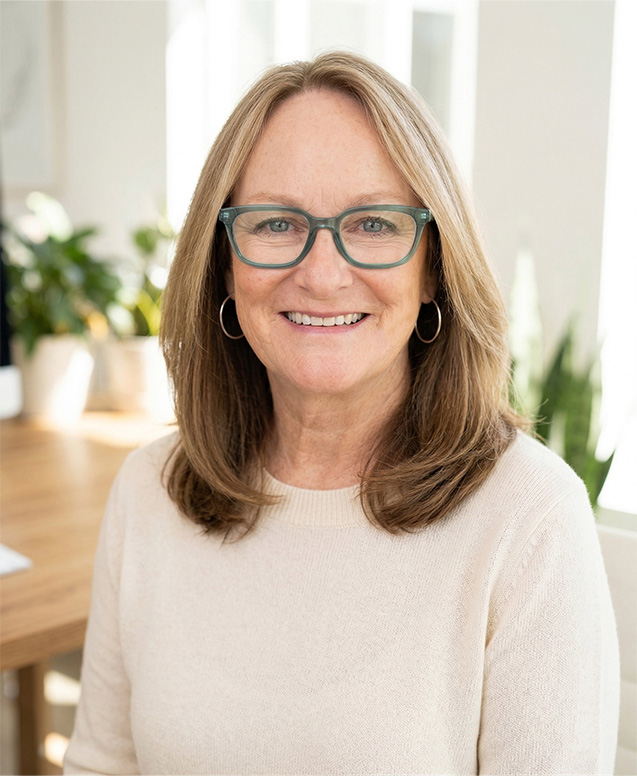
Karina Marwan, RN MSN

Who you'll work with

Karina Marwan, RN, MSN

In San Carlos, I help families prepare for conversations with Sequoia Hospital and Mills-Peninsula Medical Center, plus San Mateo County behavioral health, with clear questions, solid documentation, and priorities your care teams can respond to.

A family advocate is not a therapist or attorney. I am an RN guide who helps you understand the system, protect your rights, and move from crisis confusion toward a practical plan.

Support

How I help

I stay with you through the hospital stay, county behavioral health steps, and the hard transition home, when you want clear support for your loved one but are not sure what to ask for next.

Hospital liaison

I help you talk with ER, inpatient, and social work staff in a way that keeps dignity on both sides. Family meetings, jargon unpacked into everyday words, and someone who remembers the thread when the shift changes and the story doesn't.

Rights protection

Consent forms, privacy rules, and grievance steps can feel like a wall. I walk through them with you so you know what you can ask for, what to write down, and what the facility is supposed to honor under its own policies and the law.

Discharge planning

We look for a plan you can live with: paperwork that matches reality, follow-up visits that are actually scheduled, medications that are accessible, and a real bridge to county or outpatient care. Ideally before anyone is hurrying your loved one toward the door.

Common questions

FAQs

What happens when a 5150 ends in San Mateo County?

The next step is usually discharge, voluntary continuation, or transition to a 5250 process. Families should request the plan before hour 72 whenever possible.

What is the difference between a 5150 and a 5250?

A 5150 is an initial 72-hour hold used for assessment and immediate safety during a psychiatric crisis.

A 5250 is a 14-day certification that extends that care for intensive treatment if stabilization isn't reached within the first three days.

Why is my loved one still in the Emergency Room at Sequoia Hospital after 24 hours? Are they actually receiving treatment?

This is known as "psychiatric boarding," and it is a significant challenge in the Peninsula.

While in the ER, care is often focused on safety rather than long-term stabilization. I help families maintain pressure on the "Bed Board" and social work teams to ensure your loved one is prioritized for a transfer to an appropriate psychiatric unit as soon as a spot opens.

The hospital says they can't speak to me without a release. Does that mean I have no say in the care plan?

Not at all. While HIPAA limits what clinicians can give you, it never prevents them from receiving information. I help families deliver "Dated Safety Concerns" and "Patient History Summaries" that the team is ethically and clinically required to review, regardless of a signed release.

What can we do if discharge feels unsafe?

I help you challenge unsafe transitions by translating your home-safety concerns into the specific clinical language that hospital administrators are required to review.

We move from feeling powerless to having a documented seat at the discharge planning table.

Do you only work with San Carlos families?

Support extends throughout San Mateo County, with care plans adapted to each local hospital and referral pathway.

Local guide

Local mental health resources for San Carlos, California

San Carlos families are centrally positioned between Mid-County systems, making coordinated referrals and continuity plans essential.

Each link below goes to a different destination and opens in a new tab.

Ready to talk through your situation?

Book a free 20-minute consultation. We will outline next steps for advocacy, documentation, and communication with your care teams.